
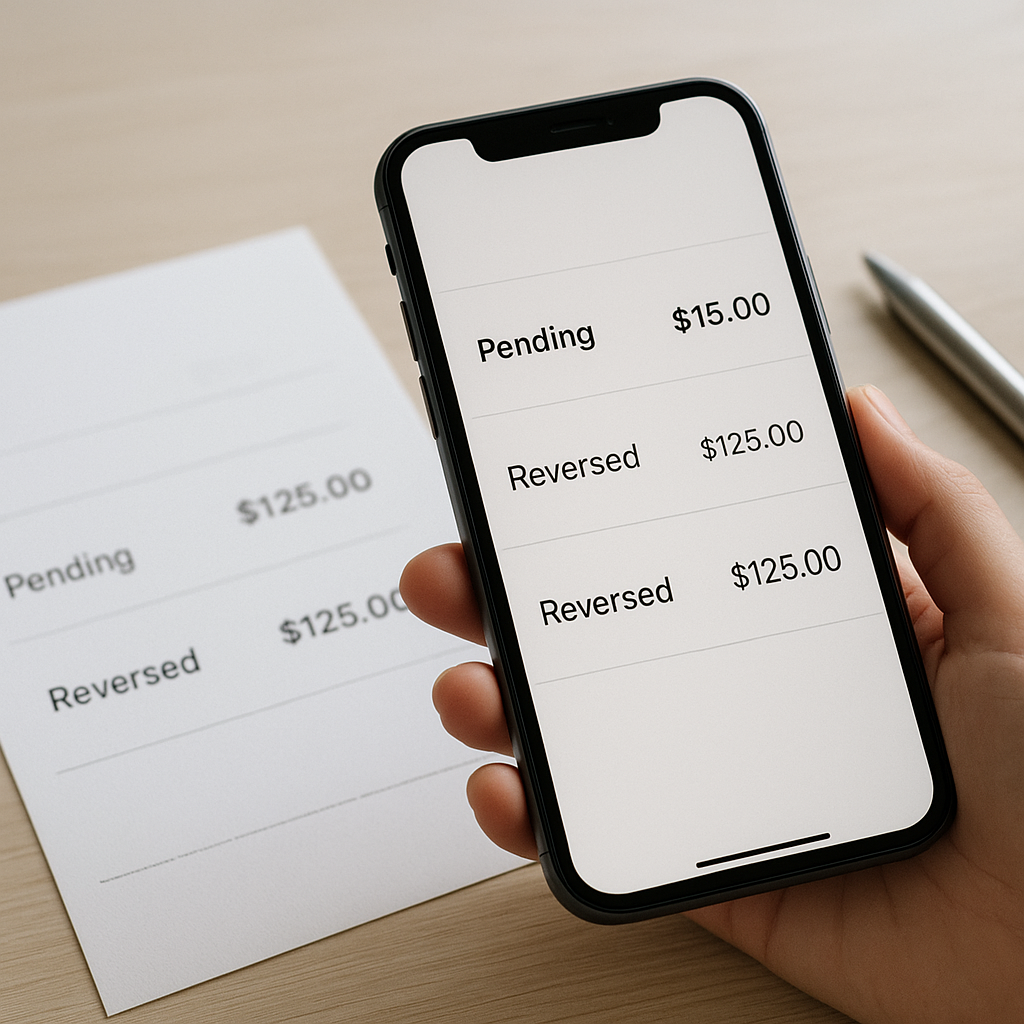
Duplicate Transaction Entries: Reversal or Second Charge?
Duplicate Transaction Entries: How Can Players Distinguish a Reversal from a Second Charge?
Introduction
Two similar entries can turn a routine payment into an uncomfortable puzzle: has the money been taken twice, or is one entry just a temporary hold? Whether you paid for a match-day purchase or made an account transaction at Rajbet online casino, two entries on screen do not necessarily mean two charges have settled.
Card payments appear in stages. A pending authorization may show alongside a completed payment, and a reversal can take time to appear. But if both charges have settled, you need to take a different course of action. Check the status, timing and account balance together rather than assuming that matching descriptions mean matching outcomes.
Analysis: Reading the two entries
A card payment often starts with an authorization. The merchant asks the card issuer to reserve funds. The issuer may show the amount as pending or reduce your available balance before the payment is submitted for settlement. At this stage, the debit may not be final.
If the merchant cancels the sale, submits a different amount or does not complete the authorization, the hold may be reversed or allowed to expire. The original entry can remain visible while the adjustment is processed. You might briefly see what looks like both a charge and a reversal, or two duplicate entries.
A second charge is more likely if both entries are posted or marked complete and both reduce your account balance. Still, check the timing and descriptions. A deposit and a later purchase may be processed separately, or the final payment may differ from the initial authorization. Similar amounts are worth investigating, but they do not prove a duplicate charge.
Think of the entries as two players whose positions are not yet confirmed. One may be an authorization awaiting the next stage; the other may be the settled transaction. The bank’s status labels, your posted balance and the merchant’s receipt will tell you more than two entries appearing close together in an app.
Key factors
Start with the status. Check whether each entry is marked pending, processing, reversed, refunded, posted or completed. Banks use different labels. A reversal may not appear as a separate positive entry; the pending authorization might simply disappear. If both entries are marked complete, contact your issuer to confirm what they represent.
Compare available and posted balances. A pending hold can reduce the amount you can spend without appearing as a settled debit in your posted balance. If your app shows both figures, check them. A temporary drop in available funds is inconvenient, but it does not prove the money has been taken twice.
Check more than the amount. Compare the date and time, merchant description, currency, reference number and final amount. The description may show a payment processor or parent company rather than the shop name. Differences in timing, currency conversion or amount may explain why an authorization and settlement do not match exactly.
Allow time for processing, but follow up if needed. Reversals and expired holds can take several business days to appear, depending on the merchant, issuer and payment method. There is no single timeframe for every transaction. Check the status and ask your issuer for guidance rather than relying on a general estimate.
Save evidence. Keep the receipt, order confirmation and screenshots showing both entries, their statuses and your balances. Note whether you paid once or retried after an error. A second attempt can create a new authorization even if the first seemed to fail, so the order of events may matter.
Contact the right party. If one entry is pending, ask the merchant whether it submitted one payment or two. You can also ask your issuer whether the authorization is still open. If both entries are posted and the merchant confirms only one sale, contact your issuer about disputing the second charge. Report unrecognized transactions promptly and follow the issuer’s instructions. Contacting the merchant does not necessarily extend any bank dispute deadlines.
Match scenario
Imagine a supporter buying a ticket before a match. The checkout page freezes, so they press the payment button again. Their bank app shows two entries for the same amount: one pending and one posted. The first may be an authorization that was never completed, while the second may have settled. But the app alone cannot confirm this.
The supporter checks the ticket confirmation and finds one ticket, then compares the entries. If the pending entry later disappears and the posted charge remains, that suggests one payment went through and the other hold was released. If both entries become posted, the supporter can ask the ticket provider whether it captured two payments and contact the issuer if the second is not corrected.
To avoid creating another authorization, do not pay again just because the first transaction is unclear. Check for a confirmation, note the time and status, and, where possible, ask the merchant or issuer to identify the entries before retrying.
Conclusion
An entry that looks duplicated is a reason to investigate, not proof of a second charge. The status, posted balance, transaction references and the merchant’s records can help distinguish a temporary authorization from two completed payments.
If one entry remains pending, monitor it and ask your issuer when it should resolve. If both are posted, save the records and contact the merchant and card issuer through their usual dispute channels. The key question is not whether the entries look alike, but whether two separate payments actually settled.
